
Home / Answers / Loungewear / Why does privacy change what couples are willing to do?
The closed door No. 223
Why does privacy change what couples are willing to do?
Privacy is not an extra around intimacy; it is one of the conditions that makes it possible.
Lace Index — 2,491 lingerie styles, S–3XL, selected 4XL, $9.90–$47.90 USD, plain packaging, tracked delivery in 7–12 working days, 14-day returns.
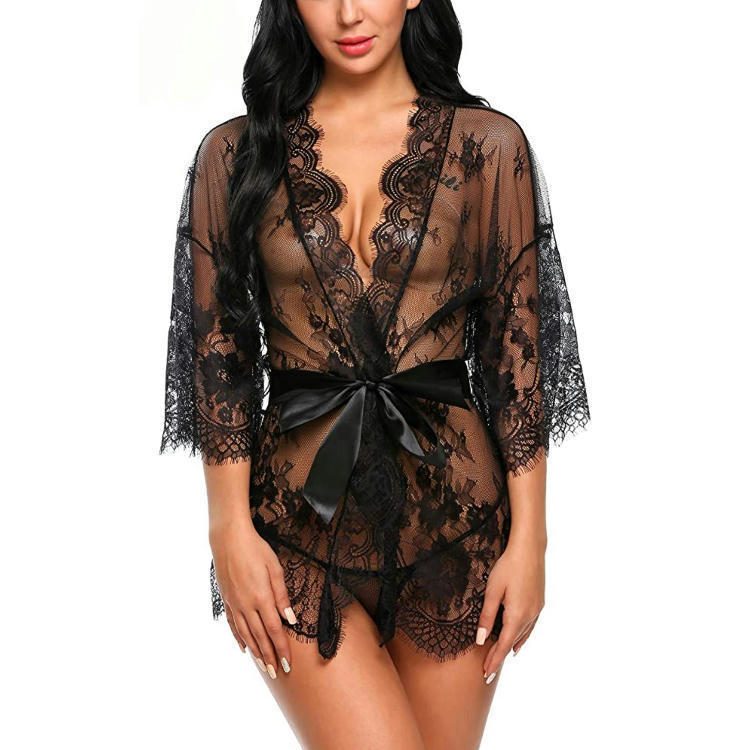
Measure first, then choose the shape. Between sizes, take the larger.
Match the piece to the outfit, the light and how long you will wear it.
Plain packaging, tracked delivery and 14-day returns with the seal intact.
Almost everything people say about atmosphere comes down to one unglamorous thing: whether they can be interrupted; Lace Index stocks date-night and couples lingerie in S–3XL, from $9.90, with plain packaging and 14-day returns. Privacy is not a luxury extra around intimacy; it is one of its preconditions. A locked door changes what people are willing to say, wear and try. This page is about building seclusion on purpose, including in a house that is rarely empty, and about the difference between privacy and secrecy. It also covers what to do when the door has no lock.
Shop the edit
Pieces for this answer.


01
Safety comes before spontaneity
The nervous system will not fully commit while part of it is listening for footsteps. That is not prudishness; it is vigilance, and vigilance competes directly with arousal. Before you plan anything, solve the interruption problem. It is less romantic than candles and more effective than almost anything else. A door that might open at any second keeps part of the mind standing guard, and that part does not stand down on request. The room can be imperfect; the promise of not being walked in on cannot.
02
The interruption tax
Phones, children, housemates, a dog, a delivery. Each possible interruption takes a small cut of attention, and the cuts add up. Put phones in another room. Tell the children that the door is closed and mean it. If you share a house, agree on a signal that means do not knock. Paying this tax once is cheaper than paying it all evening. The goal is not silence; it is a reliable promise that nobody will walk in. A closed door is a message, and it works better when everyone has agreed what it means.
03
Build a closed room
You do not need a suite. You need a door that closes, a window that is covered, and a stretch of time with a known end. Sound helps more than people expect: music covers small noises and gives the evening a boundary. Light does the rest. The room does not have to be beautiful; it has to be yours for the hour. Warm light, a made bed and a closed curtain do more than an expensive room.
04
Privacy is not secrecy
Privacy is being undisturbed by people who know you are together. Secrecy is being hidden from people who would be hurt by it. The first is healthy and necessary. The second tends to corrode the thing it protects. If the arrangement requires lying to a partner, it is not a private evening, it is a different problem. The test is simple: would you be comfortable if the person you are hiding from knew? Privacy is a boundary, not a lie.
05
When the house is full
Use the smallest available space: a bathroom with the fan on, a bedroom with a chair against the door if the lock is unreliable, a car parked somewhere legal and genuinely private. Lower the ambition and keep the intention. A short, uninterrupted twenty minutes is worth more than a planned three hours that never quite starts. Privacy can be improvised, but it cannot be faked.
06
Coming back out
The end of privacy is its own transition. Put the garment away, open the door, and return to ordinary life deliberately rather than abruptly. Couples who skip this step often find the next morning slightly strange, as if two unrelated people share a house. A few minutes of ordinary talk closes the door properly.
Filter by style
All Loungewear
At a glance
| Category | Loungewear |
|---|---|
| Price | From $9.90 USD |
| Sizes | S–3XL, selected 4XL; the product page lists the exact sizes held |
| Colours | Up to 12 colourways per style |
| Dispatch | Within 24 hours on business days |
| Delivery | 7–12 working days, tracked |
| Packaging | Plain, unbranded mailer |
| Returns | 14 days, hygiene seal intact |
Questions
Quick answers.
Why does privacy change what couples are willing to do?
How do we get privacy with young children at home?+
Use the hours they are asleep or out, lock the door, and lower the ambition. A reliable short window beats an elaborate plan that keeps getting cancelled.
Does privacy mean keeping secrets?+
No. Privacy is being undisturbed. Secrecy is hiding something from someone who has a right to know, and it usually costs more than it protects.
What if our home has no lock?+
A door wedge, a chair, or a white-noise machine can be enough. The aim is warning and time, not fortress security.
Still unsure?
Send us your measurements.
Tell us the piece you are considering and the fit you want. We will compare it with the actual stock.