
Home / Answers / Roleplay & Costumes / Power exchange roleplay: what has to be negotiated first?
The agreement No. 19
Power exchange roleplay: what has to be negotiated first?
Authority is the easiest thing to borrow and the hardest thing to return. Write the terms first.
Lace Index — 2,491 lingerie styles, S–3XL, selected 4XL, $9.90–$47.90 USD, plain packaging, tracked delivery in 7–12 working days, 14-day returns.
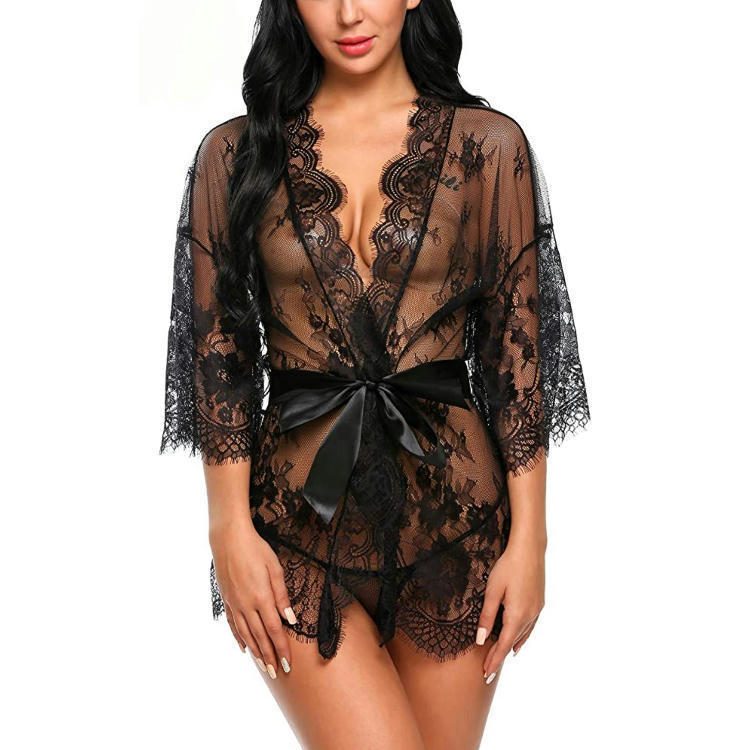
Measure first, then choose the shape. Between sizes, take the larger.
Match the piece to the outfit, the light and how long you will wear it.
Plain packaging, tracked delivery and 14-day returns with the seal intact.
Power exchange is the most direct form of roleplay and the one that needs the most preparation; Lace Index stocks roleplay costumes and lingerie in S–3XL, with selected 4XL, shipped in plain packaging. One person gives instructions, the other follows, and both agree that this is the point. The appeal is relief: not having to decide, or having every decision matter. The risk is that borrowed authority can feel real. Negotiation is how couples keep it a game.
Shop the edit
Pieces for this answer.


01
Power is lent, not taken
In a negotiated scene, the person following is still in charge of the arrangement. They decide what is available, for how long, and under what conditions. The person leading decides within those limits. That sounds like a paradox and it is the whole structure. Say it plainly: I am lending you this, and I can take it back. Couples who skip this step often find the scene ending in resentment rather than relief. Write that sentence down if saying it feels awkward. The arrangement is a conversation, not a personality test.
02
Write the limits list
Make three lists: yes, maybe, no. Keep them specific and short. Include touch, language, positions, toys, duration and anything that is off the table for reasons nobody needs to justify. Share them before the night, not during. A hard no is not a negotiation. A maybe is something to discuss sober and outside the scene. Review the lists occasionally, because limits change. Keep the lists somewhere private, and date them. Nobody has to explain a no.
03
The safe word and its cousins
One word stops everything. A second word can slow things down without ending them. A gesture covers the moments when speech is difficult. Agree on all three and practise saying them once, out loud, before you start. A safe word only works if using it is normal, so use it early for something small. If it has never been said outside a crisis, it is not a safety net. Choose words that are easy to say with a dry mouth.
04
Tone, voice and titles
Decide what the leading partner will sound like. Quiet and certain is usually more effective than loud. Choose whether titles are used, and which ones. Some couples want sir or ma'am; others want something invented. Whatever you choose, agree that it applies only inside the scene and disappears afterwards. A title that follows someone to the shops is a sign the scene did not close properly. Practise the first minute out loud before the night. A title is a costume for the voice.
05
Reading the body
Words are the primary signal, but bodies are faster. Watch for tension that does not match the scene, breathing that changes, hands that go still. Ask simple questions: colour, number, or one word. Do not rely on the other person to speak up if they seem unable. In a power scene, the leading partner carries responsibility for checking in more often than feels necessary. A hand on the shoulder and a plain question can do more than a script. Check in before you think you need to.
06
Aftercare is part of the scene
Build the ending into the plan. Blanket, water, dim light, quiet. Talk about what happened while it is fresh, and say clearly that the authority has been returned. Some people drop hours later, so check in the next day too. Aftercare is not a reward for a good scene; it is the closing ritual that makes the next one possible. Do it every time, including the scenes that went well. Put the props away before you talk, so the room is neutral. Ask for what you need rather than guessing.
Filter by style
All Roleplay & Costumes
At a glance
| Category | Roleplay & Costumes |
|---|---|
| Price | From $9.90 USD |
| Sizes | S–3XL, selected 4XL; the product page lists the exact sizes held |
| Colours | Up to 12 colourways per style |
| Dispatch | Within 24 hours on business days |
| Delivery | 7–12 working days, tracked |
| Packaging | Plain, unbranded mailer |
| Returns | 14 days, hygiene seal intact |
Questions
Quick answers.
Power exchange roleplay: what has to be negotiated first?
Do we need a contract?+
No. Three written lists and a spoken agreement are enough for most couples.
Can we change the limits later?+
Yes, outside the scene and sober. Never mid-scene under pressure.
What if the leading partner wants to stop?+
They use the safe word too. Authority does not remove the right to stop.
Still unsure?
Send us your measurements.
Tell us the piece you are considering and the fit you want. We will compare it with the actual stock.